Why Your Apartment Building Has So Many Drain Problems
Living in a condo or apartment in Denver, CO 80230 offers convenience, but it can also come with unique frustrations—like frequent drain clogs. If you feel like your sink or shower is always backing up, you’re not alone. Multi-unit buildings share a complex network of pipes, and what happens in one unit can affect many others. Understanding why these issues are so common is the first step to preventing a major plumbing headache down the road.
These recurring drain and sewer problems aren't just annoying; they can lead to water damage, unpleasant odors, and costly repairs for the whole building. For residents, it means dealing with slow drains and the risk of messy backups. For property managers, it's a constant maintenance challenge. Knowing the root cause helps everyone take smarter steps to keep the plumbing system healthy and avoid a call for emergency plumbing services when you least expect it.
The Heavy Burden on Shared Plumbing Systems
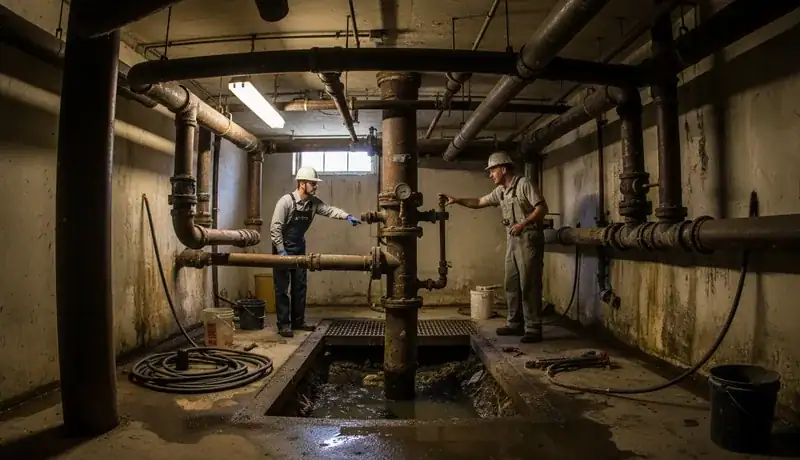
Imagine the plumbing in a single-family home. It’s designed for one family's use. Now, picture a system that has to handle the wastewater from dozens or even hundreds of households. That’s the reality for multi-unit buildings. Every kitchen sink, shower, and toilet feeds into a shared main sewer line. This creates a massive, constant flow that puts incredible strain on the pipes. Things like grease from cooking, hair from showers, and so-called “flushable” wipes from multiple units all combine in the main line. Over time, this mixture creates large, stubborn blockages that are much more serious than a simple clog in one apartment. As a result, the entire building becomes vulnerable to backups that can affect ground-floor units first and worst.
How to Be a Good Plumbing Neighbor
While you can't control what your neighbors do, small changes in your own habits can make a big difference for the building's shared plumbing. First, never pour cooking grease or coffee grounds down the kitchen sink. Instead, let grease solidify in a container and throw it in the trash. Second, use a mesh drain catcher in your shower and bathroom sink to trap hair before it goes down the pipe. Finally, remember that only human waste and toilet paper should be flushed. Wipes, paper towels, and feminine hygiene products do not break down and are a primary cause of major sewer clogs. Following these simple rules helps protect not just your drains, but the entire building's system from preventable plumbing emergencies.
When to Stop and Call a Professional
It's crucial to know the difference between a minor clog and a major sewer line problem. If only one drain in your unit is slow, it might be a simple fix. But if you notice multiple drains backing up at once, hear gurgling sounds from toilets, or smell sewage odors, you likely have a main line issue. This is not a DIY situation. Using harsh chemical drain cleaners can damage aging pipes and often just pushes the clog further down, making it worse. When you see signs of a system-wide problem, it’s time to alert your property manager and seek professional help immediately. For these situations, you need reliable emergency plumbing services in Denver, CO 80230, and that's where experts like Expert Plumbing Pro come in.
Your Denver Partner for Complex Building Plumbing
At Expert Plumbing Pro, we understand the unique challenges of multi-unit buildings in the Denver, CO 80230 area. Our experienced technicians have the right tools and knowledge to diagnose problems in complex, shared plumbing systems. We don't just clear the immediate clog; we investigate the root cause to help prevent future issues. Whether it's a video camera inspection to find a blockage in the main line or hydro jetting to thoroughly clean the pipes, we provide effective solutions. We work efficiently to resolve the problem with minimal disruption to residents, ensuring your building's plumbing runs smoothly and safely.
Frequently Asked Questions
Who is responsible for a main sewer line clog in an apartment building?
In most cases, the property owner or management company is responsible for maintaining and repairing the main sewer line and other shared plumbing infrastructure. A clog that is isolated to your specific unit is typically your responsibility. However, if multiple units are experiencing backups, it points to a main line issue that you should report to your landlord or property manager immediately. They are responsible for calling in professional plumbers to address the problem for the building.
Can tree roots cause plumbing problems for a large building?
Absolutely. Tree roots are a major threat to sewer lines for all types of properties, including large multi-unit buildings. Roots are naturally drawn to the moisture and nutrients inside sewer pipes and can infiltrate them through tiny cracks or loose joints. Once inside, they grow into dense masses that catch debris and create severe blockages. This can cause widespread backups affecting the entire building. Professional sewer line inspection and cleaning are often needed to remove them.
A Healthier Plumbing System for Everyone
Living in a multi-unit building means sharing more than just walls—you also share a plumbing system. The high volume of use makes these systems prone to clogs and backups, but mindful habits from every resident can significantly reduce the risk. When you notice signs of a serious problem, like multiple slow drains or strange gurgling sounds, it’s essential to act fast. For fast and dependable help, the team at Expert Plumbing Pro is always ready to provide emergency plumbing services in Denver, CO 80230 to keep your home safe and dry.